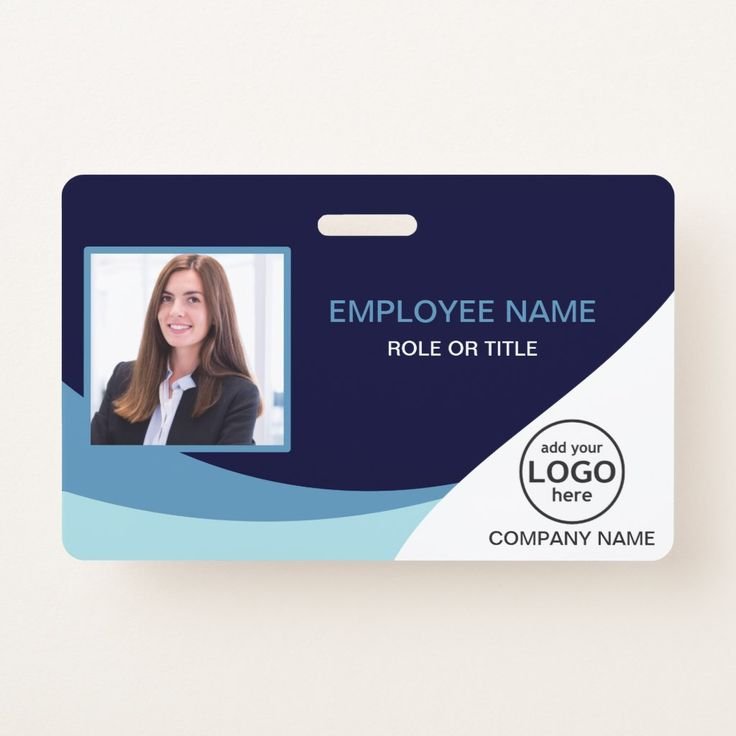
When you walk into any professional environment, school campus, or public event, the first thing that often establishes trust, clarifies roles, and ensures safety is clear identification. That's where Name Tags for Workplace, Schools & Visitors become indispensable. More than just a piece of plastic or paper, a well-designed name tag is a silent communicator, a security gatekeeper, and a brand ambassador all rolled into one. They streamline interactions, project professionalism, and critically, help everyone recognize who belongs and who's just visiting.
For administrators, managers, and event organizers, navigating the world of name tags can feel deceptively simple. Yet, choose poorly, and you risk security breaches, brand dilution, or simply creating an uncomfortable experience for your people. This comprehensive guide will help you understand the strategic importance of name tags across various settings and equip you with the knowledge to make informed decisions that benefit everyone involved.
At a Glance: Why Name Tags Matter
- Boosts Security: Quickly identify authorized personnel versus unescorted visitors.
- Enhances Communication: Makes introductions easier and fosters a friendlier atmosphere.
- Projects Professionalism: A uniform, clear identification system elevates your organization's image.
- Aids Navigation: Helps newcomers and visitors find the right people for assistance.
- Supports Branding: Custom name tags reinforce your logo and message subtly.
- Facilitates Accountability: Assigns clear roles and responsibilities in dynamic environments.
- Meets Compliance: Often a requirement in regulated industries for safety and tracking.
Beyond a Label: The Strategic Value of Name Tags
Think of a name tag not as a mere accessory, but as an essential piece of operational infrastructure. In a busy office, a sprawling school, or a bustling event, distinguishing between an employee, a student, a contractor, and a guest is paramount. This isn't just about politeness; it's about control, efficiency, and safeguarding your assets—human and physical.
From a security standpoint, clear identification acts as a primary deterrent. HC Brands highlights how visitor name tags are vital for "identifying guests and visitors in high volume areas like schools, hospitals and office buildings," crucial for "protect[ing] property and quickly identify[ing] guests." Without them, anyone could potentially wander unchallenged, creating vulnerabilities.
Economically, the right name tag system reduces friction. Imagine the wasted time if employees constantly have to stop and ask, "Are you supposed to be here?" or "Who are you looking for?" A quick glance at a name tag provides immediate context, allowing interactions to proceed smoothly and confidently.
More Than Just a Name: Key Information Name Tags Convey
While "name" is in the title, a good name tag conveys much more. Consider what information you might want to include, depending on the context:
- Name: The absolute essential.
- Photo: Especially for ID cards, adds a crucial layer of visual verification.
- Title/Role: Identifies authority, department, or area of expertise (e.g., "Nurse Practitioner," "Volunteer," "Visitor").
- Organization/Company Logo: Reinforces branding and affiliation.
- Department: Helps direct inquiries.
- Access Level/Clearance: Often conveyed by color-coding or specific symbols (e.g., "Restricted Access").
- Date/Expiration: Critical for temporary passes, ensuring validity.
- Barcode/QR Code: For tracking, timekeeping, or access control integration.
- Emergency Contact Info (on back): Useful in specific scenarios like field trips.
The decision of what to include should be driven by the specific needs and security protocols of your environment.
Name Tags in the Workplace: Fostering Professionalism and Security
In a corporate setting, name tags are fundamental tools for both internal cohesion and external perception. They help new hires integrate, facilitate cross-departmental communication, and instantly convey a sense of organization to clients and partners.
Types of Workplace Name Tags
The variety available allows businesses to tailor solutions to their specific culture and operational demands:
- Permanent ID Badges (Plastic Cards):
- Use Case: Ideal for employees who require regular, long-term identification and often integrated access control.
- Features: Often PVC plastic, printed with name, title, photo, company logo, and sometimes a barcode or magnetic strip. Highly durable.
- Holders: Typically worn with lanyards or badge clips.
- Pros: High security, professional look, durable, multi-functional (access control).
- Cons: Higher initial cost per unit, requires dedicated printing equipment or vendor.
- Reusable Name Tags (Magnetic or Pin-Back):
- Use Case: Excellent for employee identification in customer-facing roles, sales teams, or for roles where flexibility is key.
- Features: Often made from metal, plastic, or engraved acrylic. Names can be printed, engraved, or inserted via a paper slot. Magnetic fasteners are popular for not damaging clothing.
- Pros: Professional appearance, durable, can be reused for new employees if names are insertable. Magnetic options are gentle on fabrics.
- Cons: Can be more expensive than disposable options; pin-backs can damage clothing.
- Paper Insert Name Badges:
- Use Case: Budget-friendly option for internal meetings, conferences, or large teams with frequent staff changes.
- Features: A plastic holder with a paper insert that can be printed and changed easily.
- Pros: Very flexible, low cost, easy to update.
- Cons: Less durable, can look less professional than engraved or printed options.
Benefits in a Business Context
- Enhanced Security: Clearly identifies employees, making it easier to spot unauthorized individuals. This is critical for data protection, physical asset security, and preventing internal theft.
- Improved Client Relations: When clients can easily identify who they're speaking with, it builds trust and professionalism. It makes interactions smoother, especially for new clients or in large organizations.
- Fostering Team Cohesion: Name tags encourage employees to learn each other's names, especially in larger companies or across different departments. This simple act can break down communication barriers and build a stronger team culture.
- Brand Reinforcement: A well-designed name tag with your company logo subtly reinforces your brand identity with every interaction.
Name Tags in Schools: Prioritizing Safety and Order
Schools are dynamic environments, buzzing with students, faculty, staff, and a constant flow of visitors. Here, name tags shift from a professional amenity to a critical safety and operational tool.
Types of School-Specific Name Tags
- Student ID Cards:
- Use Case: Daily identification for students, often integrated with library access, cafeteria payment, or bus passes.
- Features: Durable plastic with student's name, photo, grade, and school logo. Often include a barcode or chip for various systems.
- Pros: Multi-functional, high security, durable, long-term use.
- Cons: Requires dedicated printing setup and management.
- Staff/Faculty Badges:
- Use Case: Similar to workplace ID badges, provides clear identification for all school personnel.
- Features: Durable plastic, photo, name, title, school logo. Often color-coded for different roles (e.g., teaching staff, administrative, maintenance).
- Pros: High security, professional, clear differentiation from students/visitors.
- Cons: Cost of replacement if lost.
- Visitor Badges (Temporary Passes):
- Use Case: Essential for parents, volunteers, contractors, and other guests entering the school premises.
- Features: Often disposable, self-adhesive paper badges or temporary plastic inserts. Can be pre-printed with "VISITOR" and a space for the visitor's name/date. Many schools use systems that print a photo ID badge for visitors upon check-in.
- Pros: Clear visual identification of non-staff/student, easy to issue, time-limited.
- Cons: Can sometimes be easily replicated if not using secure printing.
Key Benefits for Educational Institutions
- Enhanced Student Safety: The most crucial benefit. Clear identification helps staff quickly recognize intruders or individuals who shouldn't be on campus. Visitor badges are paramount for controlling access.
- Emergency Management: In an emergency, quickly identifying roles (e.g., "First Aid Staff," "Assembly Point Coordinator") and knowing who is a student versus a visitor can be life-saving.
- Streamlined Operations: Student ID cards simplify administrative tasks like library check-outs, attendance tracking, and cafeteria services.
- Fostering Community: While safety is primary, seeing names and roles can help new students, parents, and staff feel more connected and comfortable.
- Accountability: Knowing that everyone is identifiable can encourage better behavior and responsibility.
Name Tags for Visitors: The First Line of Defense and Welcome
Managing visitors effectively is a challenge for any organization. Whether it's a client meeting, a parent-teacher conference, or a large public event, visitor identification is a cornerstone of both security and hospitality. As HC Brands notes, offering "standard visitor passes and custom visitor badge options" is key to meeting diverse organizational needs.
Common Visitor Name Tag Solutions
- Disposable Adhesive Badges:
- Use Case: High-volume, quick check-in scenarios like conferences, open houses, or short-term appointments.
- Features: Self-adhesive labels, often pre-printed with "VISITOR" and a space for a handwritten name and date. Can be easily torn off a roll.
- Pros: Very low cost, quick to issue, clear visual distinction.
- Cons: Less professional, can fall off, not durable for extended wear.
- Paper Insert Badges in Holders:
- Use Case: More formal visitor situations, like office visits, interviews, or multi-day events.
- Features: A temporary paper insert (often printed with visitor details) slipped into a plastic badge holder, usually worn with a lanyard or clip.
- Pros: More professional appearance than adhesive, easily customizable via printer, can include more detail.
- Cons: Requires collection of holders upon exit (environmental impact, cost of loss).
- Custom Printed Temporary Passes (Dry Erase, Numbered):
- Use Case: Organizations with repeat visitors or specific tracking needs. HC Brands specifically mentions "dry erase name tags, ID Cards and numbered badges" for visitors.
- Features: Durable, often reusable plastic or laminated cards. Dry-erase options allow for quick updates. Numbered badges help track the total number of visitors or correlate with specific check-in times. Can feature company logos.
- Pros: Professional, reusable (for dry erase), good for tracking, reinforces branding.
- Cons: Higher initial cost than disposable, requires staff to manage and reissue.
- Photo ID Visitor Badges:
- Use Case: High-security environments like hospitals, government buildings, or facilities with sensitive data.
- Features: A digital photo of the visitor is taken at check-in and printed directly onto a temporary badge along with their name and purpose of visit.
- Pros: Highest level of security verification, difficult to duplicate.
- Cons: Requires specialized equipment and staff time for issuance, can be slower.
Why Visitor Name Tags Are Non-Negotiable
- Immediate Identification: The moment a visitor steps onto your property, they are clearly identified as a guest. This removes ambiguity for staff and security.
- Access Control: Visitor badges can be color-coded or contain specific information that dictates where a visitor is allowed to go, or who they should be escorted by.
- Accountability and Tracking: By requiring visitors to sign in and wear a badge, you create a log of who was on premises and when. This is invaluable for auditing, compliance, and emergency evacuation procedures.
- Professional First Impression: A structured visitor check-in process, complete with a professional badge, conveys a message of organization and attention to detail, enhancing your brand image.
- Emergency Preparedness: In a crisis, quickly distinguishing visitors from regular occupants is vital for accurate headcount and ensuring everyone is accounted for.
Choosing the Right Name Tag System: A Decision Framework
With so many options, how do you pick the best name tag solution for your needs? It comes down to balancing security, budget, aesthetics, and operational practicalities.
1. Assess Your Environment's Needs
- Security Level: Do you need basic identification or strict access control with photo verification?
- Volume: How many people need name tags daily/weekly/annually? High volume favors disposable or easily printed options.
- Duration of Wear: Are tags needed for an hour, a day, a week, or permanently?
- Interaction Type: Is it client-facing, internal, or public?
- Existing Systems: Can name tags integrate with current access control, timekeeping, or visitor management software?
2. Consider Your Budget
- Upfront Costs: Printing equipment, software, custom design fees, bulk order minimums.
- Per-Unit Costs: Disposable tags are cheap per unit, but add up. Durable tags are more expensive initially but last longer.
- Replacement Costs: How often will tags be lost or need updating?
- Staff Time: Who will manage the issuance, collection, and maintenance of name tags?
3. Evaluate Materials and Durability
- Plastic (PVC): Standard for ID cards, very durable, printable.
- Metal/Engraved Acrylic: High-end, professional, very durable for reusable employee badges.
- Paper/Cardstock: Low cost, disposable, good for temporary use.
- Laminates: Can extend the life of paper tags.
- Magnetic Fasteners: Gentle on clothing, but can be dislodged.
- Pin Clips: Secure, but can damage delicate fabrics.
- Lanyards: Comfortable for long wear, visible, but can snag.
- Retractable Reels: Convenient for scanning, keeps badge close.
4. Prioritize Design and Branding
Your name tag is an extension of your brand.
- Logo Placement: Ensure your logo is clear and prominent.
- Font Choice: Legible and consistent with your brand guidelines.
- Color Scheme: Use brand colors or color-coding for different roles.
- Information Hierarchy: What's most important to see at a glance? Name? Role?
5. Think About Sustainability
For high-volume, temporary tags, consider options that are recyclable or made from recycled materials. For reusable tags, implement a robust collection and sanitization process.
6. Ease of Use and Management
- Issuance: How quickly can a new tag be created and issued?
- Collection: For temporary tags, how will they be collected?
- Updating: How easy is it to change information (e.g., job title)?
- Customization: Do you need the ability to generate custom name tags on demand, or are pre-ordered, static tags sufficient?
Best Practices for Implementing a Name Tag System
Once you've chosen your name tag solution, effective implementation is key to maximizing its benefits.
- Develop Clear Policies:
- Mandatory Wear: Is it mandatory for all employees/students/visitors?
- Placement: Where should the tag be worn for maximum visibility?
- Lost/Stolen Procedures: What happens if a tag is lost? How are replacements issued?
- Visitor Protocols: Outline the exact check-in/check-out process.
- Train Your Team:
- Ensure all staff understand the importance of name tags, how to issue them, and what to look for in terms of unauthorized individuals.
- Security personnel, receptionists, and frontline staff are your first line of defense.
- Standardize Design:
- Maintain a consistent look and feel for all name tags across your organization. This reinforces professionalism and makes identification easier.
- If using color-coding, clearly define what each color signifies.
- Regularly Review and Update:
- Technology and needs evolve. Periodically review your name tag system to ensure it's still meeting your security, operational, and branding objectives.
- Are there new materials or features that could improve your system?
- Educate Your Community:
- For schools, inform parents about visitor badge requirements.
- For workplaces, remind employees why wearing their badge is important.
- Communicate the benefits, not just the rules.
Addressing Common Questions & Misconceptions
"Are name tags really necessary for a small office?"
Absolutely. Even in a small office, name tags facilitate communication, especially when new clients or occasional visitors are present. They prevent awkward introductions and immediately clarify roles. From a security perspective, they still make it clear who belongs, especially if cleaners, delivery personnel, or contractors visit.
"Don't name tags feel a bit like 'big brother'?"
When implemented correctly and explained clearly, name tags foster safety and community, not surveillance. Frame them as a tool for connection and security, not control. The benefits of clear identification, especially in emergencies or for visitor management, far outweigh this perception.
"Are custom name tags too expensive?"
The cost depends heavily on the type and quantity. While high-end engraved badges have an upfront cost, their durability and professional appearance can offer long-term value. For temporary needs, custom printed paper inserts or disposable options with your logo can be quite affordable and still provide a professional touch. Many providers offer competitive pricing for bulk orders, making custom branding accessible.
"What's the best way to clean reusable name tags?"
For plastic ID cards or laminated tags, a simple wipe with a mild disinfectant solution and a soft cloth is usually sufficient. Avoid harsh abrasives or strong chemicals that could damage the print or material. For magnetic fasteners, ensure they are kept dry to prevent rust.
"Can name tags be used for tracking attendance or time?"
Yes, many modern ID cards incorporate barcodes, QR codes, or RFID chips that can be integrated with attendance systems, time clocks, or access control platforms. This adds significant functionality beyond simple visual identification, streamlining data collection and improving operational efficiency.
The Future of Identification: Smart Badges and Beyond
The evolution of name tags isn't slowing down. We're seeing a shift towards 'smart badges' that incorporate more technology:
- RFID/NFC Integration: For seamless access control, cashless payments, or tracking within a defined area.
- Biometric Data: While still largely for high-security areas, integration of fingerprint or facial recognition for identity verification is becoming more prevalent.
- Dynamic Displays: Badges with small, programmable screens that can update information in real-time (e.g., "Available," "In Meeting").
- Eco-Friendly Materials: A growing demand for sustainable, biodegradable materials for disposable options.
While these advanced options push the boundaries of identification, the core principle remains: clear, trustworthy identification is paramount for safety, efficiency, and fostering positive interactions.
Equipping Your Environment with Confidence
Whether you're safeguarding students, empowering employees, or welcoming guests, a thoughtful approach to name tags makes a tangible difference. It’s an investment in security, professionalism, and the smooth operation of your daily activities. By understanding the diverse options, making informed choices based on your specific needs, and implementing your system with clear policies, you transform a simple identifier into a powerful tool that benefits everyone.
Don't let identification be an afterthought. Equip your workplace, school, or event with the clarity and confidence that well-chosen name tags provide.