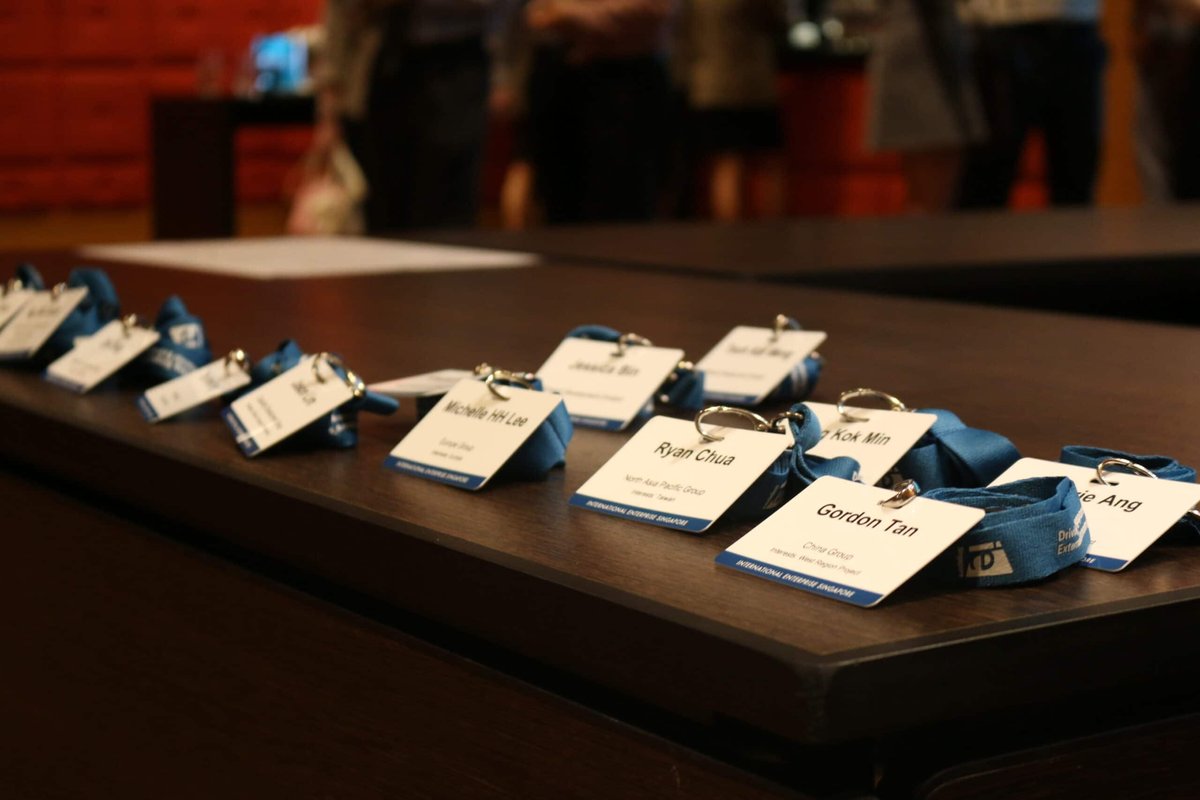
Ever walked into a bustling conference, feeling a bit lost in the sea of faces, only to have a friendly smile and a clearly visible name tag instantly put you at ease? Or perhaps you've struggled to recall a name after a great conversation, wishing you could just glance down for a quick reminder. That's the subtle, yet profound, power of effective Name Tags for Events & Conferences. They're not just pieces of plastic or adhesive labels; they're networking catalysts, branding statements, and essential tools for creating a seamless, memorable experience for every attendee, speaker, and staff member.
A well-designed name tag is often the first touchpoint an attendee has with your event's branding and professionalism. It breaks down barriers, fosters connections, and acts as a silent ambassador for your organization. Ignore their potential, and you risk a fragmented, less engaging event. Master them, and you unlock a smoother, more connected, and truly impactful gathering.
At a Glance: Your Event Name Tag Essentials
- Beyond Names: Name tags are vital for networking, security, and branding.
- Variety is Key: Choose from adhesive, hanging (lanyards/clips), or reusable options.
- Design for Impact: Prioritize legibility, branding, and essential info.
- Smart Info: Include names, titles, companies, logos, and consider QR codes or photos.
- Professional Printing: Ensures quality and consistency, especially with variable data.
- Seamless Distribution: Plan for check-in efficiency with pre-printed or on-demand options.
- Accessories Matter: Lanyards and clips enhance comfort and reinforce branding.
- Avoid Pitfalls: Don't let small text or cluttered designs ruin the experience.
Beyond the Sticker: Why Professional Name Tags Matter
In the dynamic environment of a conference or event, countless details vie for an organizer's attention. Yet, the humble name tag often gets relegated to a last-minute thought. This is a missed opportunity. A professionally executed name tag elevates the entire event, serving multiple critical functions that directly impact success.
1. The Ultimate Networking Catalyst
Imagine a room full of strangers. Without name tags, initiating conversations can feel awkward. With clear, well-designed badges, however, immediate connections are forged. Attendees can quickly identify industry peers, potential collaborators, or key speakers, making networking less intimidating and more productive. It’s an instant conversation starter and a memory aid, allowing people to recall names and affiliations long after the initial introduction. When attendees can effortlessly connect, the energy of your event soars, leading to more meaningful interactions and positive feedback.
2. Branding & First Impressions That Stick
Your event name tag is a miniature billboard. It's often the first tangible piece of your event an attendee interacts with, and it travels with them throughout the day. This provides a powerful, continuous branding opportunity. A crisp, professionally printed name tag, featuring your event logo and brand colors, reinforces your organization's identity and commitment to quality. Conversely, a flimsy, poorly printed, or hand-scribbled tag can subtly undermine your professionalism, leaving an impression that your event might lack attention to detail. Companies like Avery (Avery.com) emphasize the importance of professionally printed, sharp, crisp name tags, highlighting how they contribute to a strong brand image.
3. Enhancing Security and Identification
In today's world, security at large gatherings is paramount. Name tags serve as a quick visual cue for identifying legitimate attendees, staff, speakers, and VIPs, making it easier to spot unauthorized individuals. Different colors or specific design elements can denote access levels (e.g., "Exhibitor," "Press," "Staff Only"), streamlining navigation and ensuring the right people are in the right places. This not only protects your attendees but also helps your staff manage the flow of people more efficiently, contributing to a safer and more orderly environment for everyone.
4. Streamlining Operations and Logistics
Think about the sheer volume of information needed to run a complex event: registration status, dietary restrictions, session tracks, emergency contacts. While a name tag can't hold all of this, it can simplify critical operational aspects. Specific coding (e.g., a color stripe, an icon, a QR code) can instantly convey vital information to event staff, such as meal preferences or pre-registered workshops. This reduces the need for constant questioning and makes the attendee experience smoother, particularly during check-in, meal times, or concurrent sessions.
Choosing Your Canvas: Types of Name Tags & Badges
The world of name tags extends far beyond a simple sticky label. The right choice depends on your event's nature, budget, and desired attendee experience. Understanding the pros and cons of each type will help you make an informed decision.
1. Adhesive Name Tags: The Classic Go-To
These are the stick-on labels most people envision when they think of name tags.
- Pros: Inexpensive, quick to apply (especially for on-site registration), readily available, and great for casual or short events where elaborate accessories aren't necessary. They're often customizable with templates, allowing for logos and basic information.
- Cons: Can sometimes fall off, wrinkle, or damage delicate clothing. They don't always feel "premium" for high-end events. They are single-use, contributing to waste.
- Best For: Workshops, smaller seminars, internal company meetings, casual networking events, or as a backup for pre-printed badges.
2. Hanging Name Badges: The Professional Standard
Often seen at larger conferences and conventions, these consist of a printed badge worn around the neck with a lanyard or clipped onto clothing.
- Pros: Highly visible, professional appearance, comfortable for extended wear, durable (often printed on thicker cardstock or synthetic materials), and excellent for branding (lanyards can also be custom-branded). They're less likely to fall off and don't directly stick to clothing. They also allow for more design space to include additional information like QR codes, photos, or multi-day schedules.
- Cons: Generally more expensive due to materials (badge stock, lanyards, clips) and printing processes. Can be cumbersome during active participation (e.g., for staff lifting boxes).
- Best For: Multi-day conferences, trade shows, conventions, major corporate events, and any occasion where a polished, lasting impression is crucial. Many services offer complete customization for these, including variable data printing for individual names and details.
3. Reusable Name Tags: Sustainable & Practical for Staff
These are less common for general attendees but incredibly valuable for event staff, volunteers, or recurring internal events. Options include dry-erase or chalkboard surfaces, often in a rigid badge holder.
- Pros: Environmentally friendly (reduces waste), cost-effective over time, and ideal for staff who work multiple events or whose roles might change. They offer flexibility for quick name changes or role updates.
- Cons: Requires manual writing, which can look less professional than printed tags. May not be suitable for large-scale attendee use due to the time and effort required for customization.
- Best For: Event staff, volunteers, recurring workshops, small internal meetings, or as a sustainable option for event organizers to identify their core team. NameTagWizard specifically mentions reusable dry-erase and chalkboard name tags for staff.
4. Specialty Badges: Beyond the Attendee
For complex events, you'll likely need different badge types to distinguish roles and access levels.
- VIP Passes: Often distinct in design, material, or color to confer an exclusive status and grant special access.
- Speaker Badges: Clearly identify speakers, perhaps with their session titles, encouraging networking with attendees and making them easily recognizable to event staff.
- Exhibitor Badges: Grant access to the exhibit hall, often during set-up and tear-down times, and clearly identify company representatives.
- Press Badges: Provide media access to designated areas and often include specific contact information.
- Staff/Volunteer Badges: Essential for clear identification, authority, and distinguishing those who can help from general attendees.
Design for Impact: What Makes a Great Event Name Tag?
A name tag's effectiveness hinges on its design. It's not about being flashy, but about being functional, legible, and reflective of your brand. Think of it as a small piece of user interface design – every element should serve a purpose.
1. The Non-Negotiable Essentials
- Name (Big, Bold, Legible!): This is paramount. The attendee's first name, followed by their last name, should be the largest and most prominent element. Think "glance-and-get-it" readability from a few feet away. Use a clear, sans-serif font.
- Title/Company Affiliation: This provides crucial context for networking. Place it clearly beneath the name.
- Event Logo & Branding: Your logo should be visible but not overpower the attendee's name. Consistent use of event colors and fonts reinforces your brand identity. Services like Avery WePrint and NameTagWizard allow for easy integration of company logos.
2. Strategic Add-ons: Information That Empowers
Beyond the basics, consider what additional information might enhance the attendee experience:
- QR Codes: A scannable QR code can link to an attendee's LinkedIn profile, a digital business card, the event agenda, or even a feedback survey. This is a powerful, space-saving tool.
- Professional Photos: For staff, speakers, or even attendees at very large events, a professional headshot can significantly aid recognition and personalization. This is a feature highlighted by NameTagWizard for staff badges.
- Pronouns: Including pronouns (e.g., she/her, he/him, they/them) on name tags promotes inclusivity and respect.
- Attendee Type/Track: A small icon or text indicating "Speaker," "Exhibitor," "VIP," or "Marketing Track" helps streamline interactions and navigation.
- Location/City (if applicable): For international conferences or events with attendees from diverse regions, a small flag or city name can spark conversation.
- Social Media Handle: A Twitter or LinkedIn handle can facilitate digital connections.
3. Readability First: Prioritizing Clarity
Good design is invisible. Bad design is frustrating. For name tags, this means:
- Font Choice: Stick to clean, sans-serif fonts (e.g., Arial, Helvetica, Open Sans) that are easy to read at a distance. Avoid ornate or thin fonts.
- Font Size: As a general rule, make the first name large enough to read from 3-5 feet away. Subsequent information can be smaller but should still be clear.
- Contrast: Ensure strong contrast between the text color and the background. Dark text on a light background is generally best. Avoid busy background patterns that interfere with text.
- White Space: Don't overcrowd the tag. Ample white space around text and elements makes the information easier to digest and less overwhelming.
4. Branding Consistency: Your Event's Visual Voice
Your name tag should be an extension of your event's overall visual identity.
- Color Palette: Use colors from your event's branding guide.
- Logo Placement: Position your logo consistently and strategically.
- Design Elements: If your event has a specific graphic motif, subtly incorporate it without overwhelming the essential information.
5. Leveraging Templates & Customization Tools
You don't need to be a graphic designer to create professional name tags. Services like Avery's Design & Print software offer intuitive drag-and-drop interfaces and predesigned templates that you can easily customize with your company logo, event theme, and specific information. These tools are invaluable for maintaining a polished look without significant design overhead. Many platforms also offer variable data tools, allowing you to upload a spreadsheet and automatically populate each tag with different names and details, saving immense time.
Seamless Execution: Printing & Distribution Strategies
Even the most perfectly designed name tag can fall short if the printing and distribution process isn't meticulously planned. This stage is crucial for ensuring a smooth check-in experience and a positive first impression.
1. DIY vs. Professional Printing: Quality, Cost, & Time
This is a fundamental decision for any event organizer.
- DIY Printing (Print-at-Home):
- Pros: Potentially lower upfront cost for materials, maximum flexibility for last-minute changes, good for small, informal events.
- Cons: Requires significant time and labor, printer jams are common, quality can vary wildly, matching colors and materials can be challenging, ink costs add up, and the professional finish often isn't achievable.
- Best For: Very small, casual gatherings, or as a contingency for a few last-minute registrations.
- Professional Printing (e.g., Avery WePrint, NameTagWizard):
- Pros: Superior print quality (sharp, crisp text and vibrant colors), consistent results, access to specialized materials (thicker stock, synthetic options), significant time savings for your team, often includes variable data printing. Many services offer 100% satisfaction guarantees and dedicated customer support.
- Cons: Higher upfront cost, requires ordering in advance, less flexibility for very late changes once printed.
- Best For: Any professional conference, large event, or whenever brand perception and attendee experience are high priorities. The ability to "easily add different names to each custom name tag that will be professionally printed for you" (Avery) is a significant advantage.
2. Variable Data Printing: The Time-Saving Game Changer
For any event with more than a handful of attendees, variable data printing is essential. This technology allows you to create a master design and then populate individual fields (like name, company, title) from a spreadsheet or database. Instead of manually typing each name, you upload your attendee list, and the printer does the rest, producing personalized tags efficiently and accurately. This is a core service offered by professional printing companies.
3. On-Site Printing: Handling the Unexpected
Despite meticulous planning, last-minute registrations, name changes, or lost badges are inevitable. Having an on-site printing station can be a lifesaver.
- Setup: Requires a dedicated workstation, a reliable printer (often thermal label or direct-to-card printers), pre-loaded badge stock, and event staff trained to operate it.
- Benefits: Reduces queues, provides a professional solution for unexpected issues, and ensures every attendee has a proper badge.
- Considerations: Can be an additional cost and requires dedicated staff.
4. The Check-in Experience: Efficiency is Everything
The moment an attendee picks up their name tag sets the tone for their event experience.
- Pre-Sorted Pick-up: For larger events, print badges and sort them alphabetically or by registration type (e.g., VIP, General Admission) beforehand. Arrange pick-up stations clearly labeled with alphabetical ranges. This significantly speeds up the process.
- Print-on-Demand: If you have on-site printing capabilities, this allows attendees to check in and have their badge printed instantly. This is great for minimizing waste if you have no-shows, but it requires efficient technology and trained staff to avoid bottlenecks.
- Dedicated Lines: Have separate lines for pre-registered attendees, on-site registrations, speakers, and VIPs to manage flow effectively.
5. Accessories Matter: Lanyards, Clips, & Pins
The way a name tag is worn impacts comfort, visibility, and even brand perception.
- Lanyards:
- Pros: High visibility, keeps the badge front-facing, great branding opportunity (custom-printed lanyards), comfortable for most.
- Cons: Can dangle, swing, or get caught; some attendees find them uncomfortable or prefer not to wear anything around their neck.
- Types: Standard (plain fabric), braided, retractable, eco-friendly. Can be branded with your logo.
- Clips:
- Pros: Attaches directly to clothing, less intrusive than a lanyard for some, good for active roles where a dangling badge is a hazard.
- Cons: Can be less visible if covered by jackets or bags, may damage delicate fabrics (especially alligator clips).
- Types: Alligator clips, bulldog clips, magnetic clips (best for delicate fabrics).
- Pins:
- Pros: Secure attachment, very discreet.
- Cons: Creates a hole in clothing, less visible than lanyards.
- Best For: Smaller, more formal events where attendees are in business attire and prefer minimal distraction.
Always offer a choice if possible, or provide clips as an alternative to lanyards. Ensure your accessories are good quality; a cheap, scratchy lanyard or a weak clip can detract from an otherwise professional badge. NameTagWizard confirms the importance of having all accessories like "clips, pins, lanyards, ID holders and more!" readily available.
Sustainability & Innovation in Name Tags
As environmental consciousness grows, event planners are increasingly looking for ways to reduce their carbon footprint. Name tags, often single-use items, present an opportunity for greener practices.
1. Eco-Friendly Materials
- Recycled Paper/Cardstock: A simple switch that significantly reduces virgin material use. Ensure it's sturdy enough for the event's duration.
- Biodegradable/Compostable Materials: Look for badges made from plant-based plastics (PLA) or bamboo that can break down safely after use.
- Seed Paper: A unique option where the badge can be planted afterwards to grow flowers or herbs, offering a memorable and eco-conscious takeaway.
2. Reusable Solutions for Staff & Select Attendees
As mentioned, dry-erase or chalkboard name tags are excellent for staff and volunteers who work multiple events. For attendees, this is trickier, but some events experiment with collecting and sanitizing badge holders for future reuse.
3. Digital Badges & Beyond (A Brief Look)
While not a full replacement yet, digital badges (accessed via event apps or mobile wallets) are gaining traction. They offer:
- Zero Waste: No physical materials.
- Dynamic Information: Easily update schedules, speaker info, or networking links.
- Enhanced Interactivity: Can include built-in networking features or gamification.
However, physical name tags still hold a powerful advantage in face-to-face networking, offering immediate visual identification that doesn't rely on a screen. The ideal solution for many events might be a hybrid approach, where a physical tag is complemented by a robust digital experience.
Common Name Tag Pitfalls to Avoid
Even with the best intentions, it's easy to stumble when it comes to name tags. Sidestep these common blunders to ensure your badges enhance, rather than hinder, your event.
- Tiny Text Syndrome: The number one sin. If attendees have to squint or get uncomfortably close to read a name, the tag has failed its primary purpose. Prioritize font size, especially for names.
- Over-Cluttering: Don't try to cram too much information onto a small badge. Resist the urge to include every social media handle, job history, and personal motto. Focus on the most impactful data points.
- Weak Contrast: Light grey text on a white background, or busy patterns behind essential info, makes names nearly invisible. Stick to strong, clear contrasts.
- Flimsy Materials: Cheap paper badges that curl or tear easily convey a lack of professionalism. Invest in sturdy cardstock or synthetic materials that can withstand a full day (or several days) of wear.
- Inconsistent Branding: If your name tags look completely different from your event website or other collateral, you're missing a key branding opportunity and creating visual disconnect.
- Missing or Uncomfortable Accessories: Having fantastic badges but no way to wear them, or only offering scratchy lanyards that irritate necks, will lead to attendees stashing them in pockets, defeating the purpose.
- Proofreading Errors: Typos in names, titles, or company affiliations are unprofessional and can be embarrassing for attendees. Double-check your data, and use variable data printing tools to minimize manual entry errors.
- Poor Check-in Flow: Even perfectly printed tags can cause chaos if the pick-up process is disorganized, leading to long lines and frustrated attendees right at the start of your event.
Your Next Steps: Crafting the Perfect Event Identity
From intimate workshops to sprawling international conventions, the name tag is a cornerstone of the event experience. It’s a tool for connection, a beacon for branding, and a silent guardian of security. By giving your name tags the attention they deserve, you're not just organizing an event; you're cultivating an environment where connections flourish, information flows freely, and your brand shines.
Start by assessing your event's specific needs:
- What's the overall tone and professionalism level?
- How long will attendees be wearing the tags?
- What key information do they really need to convey?
- What's your budget for printing and accessories?
Once you have these answers, explore the rich customization options available. Leverage easy-to-use design software and templates from reputable providers to ensure a polished, professional look. And remember, the goal isn't just a pretty badge; it's a functional tool that enhances every aspect of your event.
Ready to make a lasting impression at your next gathering? Start bringing your vision to life. Create your own name tags and elevate your event from good to unforgettable.