The clatter of misplaced inventory, the frustration of a missing tool, or the sheer headache of a manual stocktake — these are the silent saboteurs eroding your business's bottom line. In today's hyper-competitive landscape, efficiency isn't just a buzzword; it's survival. That's where a robust Cost-Benefit Analysis of Name Tag Solutions comes into play, but perhaps not in the way you might first imagine. We're not talking about simple sticky labels for a company picnic. We're talking about sophisticated identification and tracking systems that redefine how you manage assets, inventory, and even personnel.
For businesses grappling with operational inefficiencies, high error rates, or a chronic lack of real-time visibility, advanced tagging solutions — particularly those leveraging RFID (Radio-Frequency Identification) technology — offer a powerful remedy. But like any significant investment, diving in headfirst without a clear understanding of the costs versus the profound benefits is a gamble. This guide will walk you through everything you need to know, helping you make an informed decision that truly benefits your business.
At a Glance: Smart Tagging Solutions
- Beyond Basic Labels: "Name tag solutions" for business today mean sophisticated systems like RFID for tracking assets, not just identifying people.
- Significant Upfront Investment: Expect costs for tags, readers, software, installation, training, and infrastructure upgrades.
- Ongoing Expenses: Budget for maintenance, software subscriptions, and tag/hardware replacements.
- Transformative Benefits: Gain real-time inventory, reduce errors, boost efficiency, cut costs from loss/theft, and enable data-driven decisions.
- Tag Costs Vary Wildly: From a few cents for passive paper tags to $50+ for active, sensor-equipped, specialized tags.
- Calculate ROI Diligently: Quantify every benefit against total costs to prove the value.
- Beware of Challenges: Integration, technical issues, and data privacy are real, but manageable with proper planning.
- Industries Benefit Most: Retail, logistics, manufacturing, healthcare, and supply chain management see the biggest gains.
Redefining "Name Tags" in the Business World
When we talk about "name tag solutions" for your business, we're expanding beyond the traditional concept of a label with a person's name. In a commercial and industrial context, a "name tag" is an identifier for anything you need to track, manage, or authenticate. This includes inventory items, valuable tools, equipment, shipping containers, vehicles, and even personnel within specific zones.
These aren't just pieces of paper; they're often digital identifiers embedded with information, readable by specialized devices, and integrated into complex data management systems. The most prominent and transformative of these solutions is RFID technology, which uses radio waves to automatically identify and track tags attached to objects. It's a game-changer for asset tracking and management across industries from warehouses to hospitals.
The Hidden Drag: Why Manual Tracking Is Costing You More Than You Think
Before we delve into the sophisticated world of RFID, let's acknowledge the silent costs of not having an efficient identification system. Manual processes, barcode scanning, and simple visual checks might seem cheap upfront, but they accumulate a hidden "efficiency tax" that can be crippling:
- Inventory Inaccuracies: The bane of retail and logistics. Miscounts, misplaced items, and phantom stock lead to lost sales, overstocking, and expedited shipping fees.
- Labor-Intensive Tasks: Hours spent manually counting, searching for items, or entering data are hours not spent on value-added activities.
- High Error Rates: Human error is inevitable. Typos, misreads, or skipped items in manual systems can ripple through your operations, causing delays and costly corrections.
- Lack of Real-Time Visibility: You're always looking in the rearview mirror, making decisions based on outdated information. This hinders responsiveness to market changes or supply chain disruptions.
- Loss and Theft: Without granular tracking, it's harder to pinpoint when and where items go missing, leading to preventable financial losses.
These are the problems that advanced name tag solutions aim to solve, shifting from reactive management to proactive, data-driven optimization.
The RFID Revolution: A Deep Dive into High-Tech Tagging Solutions
RFID technology offers a robust, automated way to identify and track virtually anything. It's a significant leap beyond traditional barcode systems, offering non-line-of-sight reading, faster data capture, and real-time visibility. But what does it really take to implement such a system? Let's break down the investment.
Unpacking the Upfront Investment: What You'll Pay to Get Started
Implementing an RFID system involves several key expenditures before you even begin to reap the benefits. Think of these as the foundational elements of your new, smarter tracking infrastructure.
- RFID Tags, Readers, and Software: The Core Components
- RFID Tags: These are the "name tags" of the RFID world. Their cost varies dramatically based on type (passive, semi-passive, active), functionality, and the sheer quantity you need. Passive tags, which draw power from the reader, are the most cost-effective, often just a few cents to a couple of dollars each, suitable for high-volume inventory. Active tags, with their own power source, are more expensive (typically $20-$50+), but offer longer read ranges and advanced features. Semi-passive tags bridge this gap, usually priced between $5-$20.
- RFID Readers: These devices capture the data from your tags. Readers come in various forms (fixed, handheld, mobile) and their cost depends on read range, processing power, and connectivity.
- RFID Software: This is the brain of your operation, managing the data collected by the readers, integrating it with your existing systems, and providing analytics. Software costs can range from one-time license fees to recurring subscriptions, often tiered by features or users. For instance, solutions like TagMatiks Wedge offer 500 free scans, while TagMatiks AT Lite tracks up to 99 assets for free, giving smaller operations an entry point.
- Installation and Integration Expenses: Weaving RFID into Your Operations
- Setting up RFID readers and antennas requires careful planning to ensure optimal coverage and performance within your facility. This might involve cabling, mounting hardware, and specialized labor.
- Integrating RFID software with your existing Enterprise Resource Planning (ERP), Warehouse Management System (WMS), or other business systems is crucial. This often requires custom development, data mapping, and thorough testing to ensure seamless data flow and prevent disruptions.
- Training and Onboarding Costs: Empowering Your Team
- Any new technology is only as good as the people using it. Educating employees on how to properly tag items, operate handheld or fixed readers, and navigate the new software is non-negotiable. This involves developing training materials, conducting workshops, and providing ongoing support, all of which contribute to your initial investment.
- Upgrading Existing Infrastructure: Getting Your Tech Stack Ready
- Depending on the sophistication of your RFID solution, you might need to enhance your current IT infrastructure. This could mean upgrading wireless networks to handle increased data traffic, bolstering server capacity, or even improving physical security measures to protect new hardware. These pre-implementation upgrades are essential for a smooth rollout and reliable long-term performance.
The Ongoing Tab: Sustaining Your Tagging System
The upfront costs are just the beginning. To ensure your RFID system continues to deliver value, you'll need to budget for recurring expenses.
- Maintenance and Support:
- Like any complex technology, RFID systems require regular attention. This includes routine system checks, software updates to patch vulnerabilities and add new features, and responsive technical support for troubleshooting any issues that arise. Many providers offer service contracts that bundle these needs.
- Software Subscription or Licensing Fees:
- Many RFID software solutions operate on a subscription model, incurring recurring monthly or annual fees. These costs can vary based on the number of users, the specific features you require, and the volume of data processed. As your business grows or your needs evolve, these fees may increase.
- Replacement of Tags and Hardware:
- RFID tags, especially those used in harsh environments or on high-turnover items, will eventually need replacing due to wear and tear, damage, or simply being used up. Similarly, RFID readers and other hardware components may require replacement over time due to obsolescence or malfunction. Budgeting for these ongoing replacements is vital to maintaining system integrity.
Beyond the Price Tag: The Transformative Benefits of Smart Identification
While the costs of implementing an advanced name tag solution can seem substantial, the benefits often far outweigh the investment. These aren't just marginal improvements; they're often transformative shifts in operational capability and profitability.
- Improved Inventory Management and Real-Time Tracking:
- Imagine knowing the exact location and quantity of every item in your warehouse or store at any given moment. RFID provides this unparalleled real-time visibility. It drastically reduces the need for manual counts, minimizes stock discrepancies, and virtually eliminates "lost" inventory. This accuracy translates directly into optimized stock levels, reduced carrying costs, and fewer out-of-stock situations.
- Enhanced Accuracy and Reduction of Human Errors:
- Automated data collection is a cornerstone of RFID. Unlike manual data entry or even barcode scanning, RFID significantly reduces the potential for human error. Tags can be read quickly and simultaneously, minimizing the chance of missed items or incorrect inputs. This precision is invaluable in industries where accuracy is paramount, such as healthcare or manufacturing.
- Increased Efficiency and Productivity:
- Streamlined processes are a direct outcome of RFID implementation. Tasks like receiving shipments, moving inventory, or locating specific assets become significantly faster and more efficient. For example, a pallet of goods with RFID tags can be scanned in seconds, rather than requiring individual barcode scans. This boost in productivity means your team can accomplish more with less effort, freeing up valuable time for more strategic tasks.
- Cost Savings: Plugging the Leaks in Your Bottom Line
- RFID systems deliver tangible cost savings in several areas:
- Reduced Losses: Real-time tracking and monitoring make it far more difficult for items to be misplaced, lost, or stolen, leading to a direct reduction in shrink and damage costs.
- Optimized Labor: Automation reduces the need for manual counting and searching, cutting down on labor costs.
- Better Procurement: Accurate inventory data prevents over-ordering or emergency expedited orders, optimizing purchasing.
- Reduced Waste: Knowing where every item is can prevent spoilage or obsolescence, particularly for perishable or time-sensitive goods.
- Better Decision-Making: Data as Your North Star
- The wealth of data generated by an RFID system is a goldmine for business intelligence. You gain unprecedented insights into inventory movement patterns, processing bottlenecks, and asset utilization. This data empowers you to:
- Optimize warehouse layouts and workflows.
- Forecast demand more accurately.
- Identify underperforming assets or product lines.
- Make informed, strategic decisions based on hard data rather than guesswork.
Drilling Down into Tag Costs: Understanding Your Options
The RFID tag itself is a critical component, and its cost can vary wildly depending on its characteristics. Understanding these nuances is key to optimizing your budget.
RFID Tag Types: Powering Your Identification
- Passive RFID Tags:
- Description: These tags have no internal power source. They draw energy from the RFID reader's radio waves to activate and transmit data. They're the workhorses of high-volume tracking, incredibly versatile, and the most common type used in retail inventory management, access control, and supply chain applications.
- Cost: Highly economical, typically ranging from a few cents to a couple of dollars per tag, making them ideal for large-scale deployments.
- Active RFID Tags:
- Description: Equipped with their own battery, active tags broadcast signals independently. This allows for significantly longer read ranges (hundreds of feet) and the ability to track assets over vast areas in real-time. They are commonly used in logistics and supply chain management for tracking high-value goods, vehicle tracking, and in healthcare for monitoring equipment location.
- Cost: Due to their advanced features and internal power, active tags are substantially more expensive, generally ranging from $20 to $50 or more per tag.
- Semi-Passive (Battery-Assisted Passive) RFID Tags:
- Description: These tags offer a hybrid approach. They have a small battery that powers the tag's internal circuitry, allowing for enhanced performance and longer read ranges than passive tags, but still rely on a reader's signal to initiate communication. They're a good middle-ground for applications like warehouse management and asset tracking where extended range is needed without the full cost of active tags.
- Cost: Typically fall between passive and active tags, costing around $5 to $20 each.
RFID Frequencies: The Right Wavelength for the Job
Different frequency bands influence a tag's performance characteristics, including read range, data transfer speed, and how well they perform around metals or liquids.
- Low-Frequency (LF) and High-Frequency (HF) Tags:
- Characteristics: Shorter read ranges (inches to a few feet), generally good performance around liquids and metals.
- Applications: Ideal for access control, animal identification, and tracking items requiring close-proximity reading.
- Cost: Generally moderate, similar to basic passive tags.
- Ultra-High Frequency (UHF) Tags:
- Characteristics: Offer much longer read ranges (several feet to tens of feet), faster read speeds, and can read many tags simultaneously. However, performance can be impacted by metals and liquids without specialized tag designs.
- Applications: The most popular choice for supply chain, logistics, retail inventory management, and asset tracking due to their efficiency and range.
- Cost: Passive UHF tags typically range from $0.10 to $10+ per tag, depending on materials and features.
- Microwave (2.4 GHz+) Tags:
- Characteristics: Operate at even higher frequencies, providing the longest read ranges and high data rates.
- Applications: Suited for highly specialized applications like vehicle tracking, real-time location systems (RTLS), and high-value asset management across large areas.
- Cost: Typically $20 or more per tag, often correlating with active tag functionalities.
Tag Materials and Form Factors: Durability Meets Design
The physical construction of a tag also impacts its cost and suitability for different environments.
- Standard Paper or Label Tags:
- Description: The most basic and affordable, these are essentially RFID inlays embedded in paper or adhesive labels.
- Cost: A few cents each.
- Use Cases: General inventory, short-term tracking, or items not exposed to harsh conditions.
- Robust and Specialized Materials (Plastic, Metal, Ceramic):
- Description: Designed to withstand harsh industrial environments, extreme temperatures, chemicals, moisture, or impacts. They can be encased in rugged plastic, metal, or even ceramic. Some are specifically designed "on-metal" tags to perform reliably when affixed directly to metallic surfaces.
- Cost: A few dollars to over $20 each.
- Use Cases: Industrial assets, tools, outdoor equipment, returnable transport items.
- Custom Shapes and Designs:
- Description: Tags can be manufactured in unique shapes or sizes to fit specific items (e.g., small implants, laundry tags, tire tags).
- Cost: Higher due to design complexity and specialized manufacturing processes.
Additional Features Affecting Pricing: Beyond Basic Identification
Modern RFID tags can do more than just identify an item. These added functionalities drive up the price but can provide significant value.
- Security Features: Tags with built-in encryption, authentication capabilities, or tamper-proof designs cost more but offer enhanced protection against counterfeiting or unauthorized access.
- Read/Write Functionality: While most basic tags are read-only, some allow data to be written and updated multiple times. These rewritable tags are more expensive but offer greater flexibility and reusability, useful for tracking items through different process stages.
- Storage Capacity: Tags with larger memory capacities can store more detailed information, such as an item's complete maintenance history or environmental exposure data. Greater storage means higher cost.
- Integrated Sensors: The most advanced tags incorporate sensors for monitoring environmental conditions like temperature, humidity, shock, or light exposure. These are invaluable for sensitive products (e.g., pharmaceuticals, perishable foods) and significantly increase the tag's cost, often making them active or semi-passive.
The Power of Volume: Bulk Ordering for Savings
It almost goes without saying, but buying RFID tags in bulk almost always leads to substantial unit cost reductions. Manufacturers offer volume discounts, so planning your deployment and ordering in larger quantities can result in significant long-term savings on your tag investment.
Calculating Your ROI: Making the Business Case for Smart Tags
The ultimate question for any business decision is: what's the return on investment? To truly determine if an RFID solution is worthwhile, you need to identify and quantify specific areas of cost savings or revenue gains directly attributable to the system.
- Quantify Your Current Pain Points: Start by putting a monetary value on the problems you're experiencing today:
- What's the annual cost of lost or misplaced inventory/assets?
- How many labor hours are spent on manual inventory counts, searching for items, or correcting errors? What's the hourly wage of those employees?
- What's the cost of production delays or missed deadlines due to lack of visibility?
- How much revenue is lost due to out-of-stocks or inability to fulfill orders promptly?
- Project the Benefits in Monetary Terms: Translate the benefits discussed earlier into quantifiable savings or gains:
- Efficiency Gains: If RFID reduces manual counting by X hours per week, multiply that by the relevant hourly wage.
- Reduced Losses: If theft/misplacement drops by Y%, what's that worth?
- Accuracy Improvements: How much do fewer errors save in rework, customer service issues, or penalties?
- Increased Throughput: If you can process Z% more orders, what's the revenue impact?
- Optimized Inventory: What are the savings from reducing carrying costs or preventing obsolescence?
- Compare Benefits Against Total Costs:
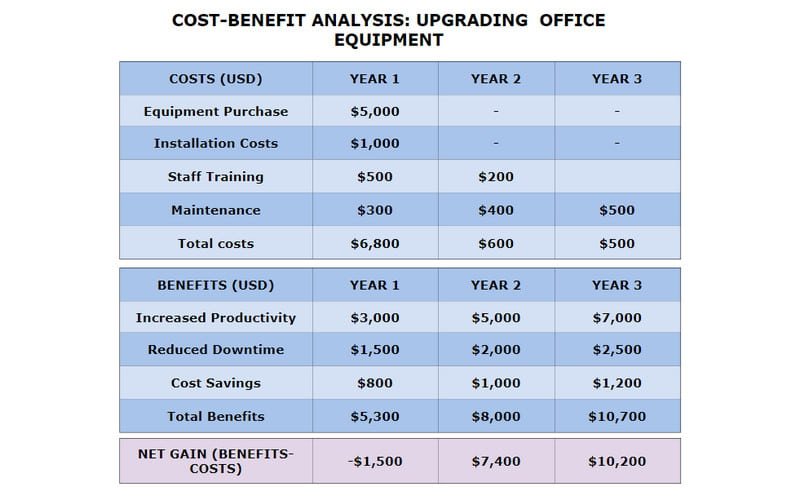
- Total Costs: Sum up all upfront implementation costs (tags, readers, software, installation, training, infrastructure) and project your ongoing expenses (maintenance, subscriptions, replacements) over a specific period (e.g., 3-5 years).
- Total Benefits: Sum up all projected monetary gains and cost savings over the same period.
ROI = (Total Benefits - Total Costs) / Total Costs * 100%
A positive ROI indicates a worthwhile investment. Aim for a payback period — the time it takes for the savings and benefits to offset the initial investment — that aligns with your company's financial goals. Remember to factor in intangible benefits like improved customer satisfaction or enhanced brand reputation, even if they're harder to quantify precisely.
Navigating the Hurdles: Challenges and Risks to Consider
No technology implementation is without its challenges. Being aware of potential pitfalls allows you to plan proactively and mitigate risks.
- Common Challenges:
- Integration Issues: Getting RFID software to "talk" seamlessly with your existing, often legacy, systems can be complex. Data formats, APIs, and custom connectors can pose significant hurdles.
- Technical Difficulties During Installation: Physical environments can interfere with RFID signals (e.g., metal, liquids, electromagnetic interference). Optimizing reader placement and antenna tuning requires expertise.
- Ensuring Effective Operation: Not all tags work perfectly in every environment. Selecting the right tag for the right item and environment is critical, and a misstep here can lead to poor read rates.
- Potential Risks:
- Data Privacy Concerns: Especially when tracking individuals or highly sensitive assets, ensuring data is collected, stored, and used in compliance with privacy regulations (like GDPR or HIPAA) is paramount.
- Technological Obsolescence: RFID technology, while mature, continues to evolve rapidly. Investing in a system that quickly becomes outdated could diminish its long-term value.
- Mitigation Strategies:
- Partner with Experienced RFID Providers: Choose vendors with a proven track record, deep industry expertise, and robust technical support. They can guide you through selection, installation, and integration.
- Ensure Proper Staff Training: Thorough training reduces user error and boosts adoption rates, ensuring the system is utilized to its full potential.
- Stay Informed About Technological Advancements: Maintain a relationship with your vendor and industry groups to understand future trends and plan for potential upgrades or expansions.
- Pilot Program: Consider a small-scale pilot implementation before a full rollout. This allows you to identify and resolve issues in a controlled environment, refining your approach.
Who Benefits Most from Advanced Name Tag Solutions?
While almost any business can find value in better tracking, certain industries stand to gain exponentially from sophisticated name tag solutions like RFID:
- Retail: Real-time inventory visibility reduces out-of-stocks, prevents theft, and enhances the customer experience with accurate stock checks.
- Logistics and Supply Chain Management: Optimized routing, faster loading/unloading, precise tracking of goods in transit, and improved asset utilization are game-changers.
- Manufacturing: Tracking work-in-progress, tools, and finished goods throughout the production line streamlines operations and improves quality control.
- Healthcare: Asset tracking for medical equipment, patient identification, and pharmaceutical management significantly enhances safety, efficiency, and compliance.
- Warehousing: Rapid inventory counts, reduced search times, and improved put-away and picking accuracy dramatically boost throughput.
Making the Right Choice: Key Questions to Ask Before You Invest
Embarking on an RFID implementation is a significant step. Here are critical questions to guide your decision-making process:
- What specific problems are we trying to solve? Be precise. "Better inventory" isn't enough; "reduce mispicks by 20% and manual count time by 50%" is.
- What is our realistic budget for both upfront and ongoing costs? Don't underestimate either.
- How critical is real-time data and enhanced accuracy to our operations? Is it a "nice-to-have" or an absolute necessity for competitive advantage?
- What are our existing IT infrastructure capabilities, and what upgrades will be required?
- How will this system integrate with our current ERP, WMS, or other essential software?
- What is the expected lifespan of the tags and hardware in our specific operational environment?
- What level of internal expertise do we have, and what external support will we need?
- What are the data privacy and security implications, and how will we address them?
- What is our long-term vision for this technology? Will it need to scale or integrate with future systems?
Answering these questions transparently will help you select the right solution, manage expectations, and build a compelling business case. When you're ready to explore options and perhaps even design a custom tag, remember that even the most advanced systems can start with simple steps. You might even find inspiration for customized tags with a tool like our name tag generator for unique identifier designs.
Your Next Step: From Analysis to Action
Understanding the Cost-Benefit Analysis of Name Tag Solutions �� especially those involving sophisticated RFID technology — is the first crucial step toward transforming your business operations. It’s an investment that demands careful consideration, but one that promises significant returns in efficiency, accuracy, and profitability.
Don't let the initial costs deter you from exploring the immense potential. Instead, focus on quantifying the inefficiencies and losses currently plaguing your business. Compare those hard numbers against the projected gains from a smart tagging system. Engage with experienced vendors, start with a pilot project, and educate your team. The future of precise asset management and real-time visibility is already here, and it's waiting to empower your business to operate smarter, faster, and more profitably.